"Sticks and Stones may break my bones, but words will never hurt me鈥�" - English Proverb. Once echoing throughout the halls of the nation鈥檚 schools, this simple phrase reminded children that the taunts that had been considered a rite of passage in childhood would one day end. Today, research confirms that verbal bullying can have lasting psychological effects and is often the starting point of more serious conflict.
Fast forward several decades, and 鈥渟ticks and stones鈥� becomes increasingly rare as schoolyard bullying is recognized as a serious problem. School administrators and teachers now know that, not only do words hurt, they often escalate into a physical conflict that envelops the bully and his victim as well as those around them, including adults and other children who may get caught in the crossfire.
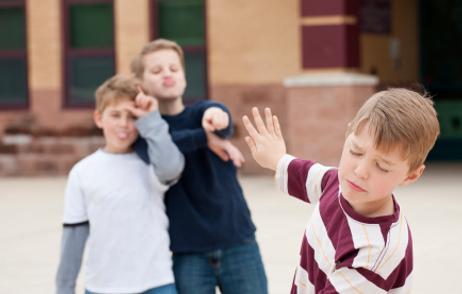
All too often, what begins as minor name-calling or teasing ends up with those involved coming to blows when the victim attempts to defend himself. This type of escalation is what creates even more violence. Violence does not begin with a physical attack, but rather a psychological one. What begins as words, perhaps a taunt or name-calling, escalates into pushing and shoving, which then may lead to a bloody nose, a black eye, or even a broken bone.
Experts note that modern pressures, including social media, academic expectations, and mental health challenges, can increase the likelihood that conflicts escalate. The reality is that the intimidation, the anxiety, and the raw anger that children cause when they tease or harass their peers can all too easily spin out of control. In rare cases, unresolved conflict can escalate beyond verbal or physical altercations, reinforcing the importance of early intervention.
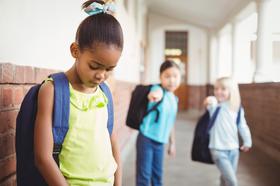
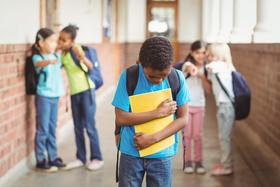
The intended victim of the school bully is not the only individual affected by the atmosphere created when the bully goes to work. Everyone is subject to the unease and fear that bullying causes, often resulting in such psychological discomfort that school becomes an undesirable and lonely place. No child should have to suffer in silence.
Although in general, schools continue to be safe places for children, some small pieces of wisdom may be helpful in helping children remain safe.
Good vs. bad behavior 鈥� Children may not always be aware of what violates school safety policies. Teaching children to recognize what is acceptable and not acceptable is imperative to ensure that they don鈥檛 behave in an unacceptable manner and that they refuse to tolerate such behavior from others. Hitting, punching, kicking, teasing, name-calling, racial slurs, rumors, threats, exclusion, harassment, and intimidation are all examples of unacceptable behavior.
Dare to be different 鈥� Children often participate in bullying and other violent activities because they are pressured to do so to participate in a particular crowd. Teaching children to resist peer pressure that draws them into arguments and conflict goes a long way toward keeping children safe. And children who speak out against violence and model positive behavior have the potential to motivate the bully to change.
Be a tattle tale 鈥� It is, unfortunately, not cool to report the undesirable activity of one鈥檚 peers to authorities. Yet, , including students, to refuse to accept behavior that risks the safety of others. For this reason, children should be taught to report the bad behavior of their fellow students.
Communication 鈥� Adults often remain out of the loop when children are planning some sort of altercation. Because of this, school administrators must take all threats of violence seriously. But, for the most part, children know that violence is possible before it even happens. When children and adults work together, schools are safer. Children need to be encouraged to speak with an adult 鈥� parent, teacher, or administrator 鈥� when they鈥檝e heard of a potential conflict. And, adults need to be willing to listen.
Self-esteem 鈥� Children who have high self-esteem are less likely to become victims of school violence than children who have low self-esteem. Parents and administrators must ensure that children are given opportunities to participate in esteem-raising activities such as sports, clubs, and music, and that they are encouraged to do so. It is also important to talk to children about confidence and help them develop socially so that they don鈥檛 become targets.
The proactive parent 鈥� All parents want to make sure that their child does not become a victim. Yet, parents are not always aware of what they can do to advocate for school safety. Most schools have safety programs and a written policy against bullying and violence. Parents should be encouraged to contact their child鈥檚 school and find out more about these programs and policies, and they should be informed as to what resources are available for children who become victims. Informed parents are the best advocates for their children.
Strategies at a Glance
| Strategy | Purpose | Impact |
|---|---|---|
| Early intervention | Stop escalation early | Reduces risk of violence |
| Communication | Encourage reporting | Improves safety |
| Self-esteem building | Increase confidence | Reduces targeting |
| Parent involvement | Reinforce safety | Strengthens support |
Conclusion
Although on the whole, schools remain safe places for students to learn, there is no substitute for informed parents and children. Parents are one of the most important factors in determining school safety. Parents who actively communicate with their children about school safety and who actively promote good behavior are parents who are prepared and aware. Parents can try role-playing with their children to teach them how to behave around the school bully or a potentially violent situation. Parents can also encourage supportive friendships and esteem-building pursuits, both inside and outside of school, to help their children remain safe. The role that parents play in school safety can鈥檛 be emphasized enough and continues to be the driving force in keeping children safe.