Mary E Curley Middle School serves 652 students in grades 6-8.
The student-teacher ratio of 14:1 was higher than the Massachusetts state level of 12:1.
Minority enrollment was 94% of the student body (majority Hispanic), which was higher than the Massachusetts state average of 47% (majority Hispanic and Black).
School Overview
Grades Offered
Grades 6-8
Total Students
652 students
Total Classroom Teachers
47 teachers
School Rankings
Student-Teacher Ratio
14:1
12:1
American Indian
n/a
n/a
Asian
2%
7%
Hispanic
65%
25%
Black
27%
10%
White
6%
53%
Hawaiian
n/a
n/a
Two or more races
n/a
5%
All Ethnic Groups
Eligible for Free Lunch
77%
35%
Eligible for Reduced Lunch
6%
4%
School Statewide Testing
School District Name
Boston School District
Source: National Center for Education Statistics (NCES), MA Dept. of Education
Frequently Asked Questions
How many students attend Mary E Curley Middle School?
652 students attend Mary E Curley Middle School.
What is the racial composition of the student body?
65% of Mary E Curley Middle School students are Hispanic, 27% of students are Black, 6% of students are White, and 2% of students are Asian.
What is the student-teacher ratio of Mary E Curley Middle School?
Mary E Curley Middle School has a student ration of 14:1, which is higher than the Massachusetts state average of 12:1.
What grades does Mary E Curley Middle School offer ?
Mary E Curley Middle School offers enrollment in grades 6-8
What school district is Mary E Curley Middle School part of?
Mary E Curley Middle School is part of Boston School District.
Recent Articles
School Vouchers 2026: Updated Pros and Cons
Explore school vouchers in 2026, including updated pros, cons, policy changes, and what families should know before choosing.
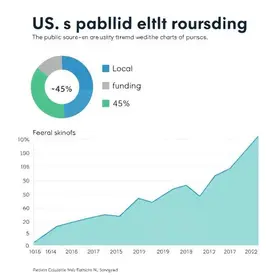
Education Funding in America (2026 Update)
A 2026 update on education funding in America, including federal, state, and local trends, equity gaps, and what parents should know.

What It Takes to Run a Public School Day-to-Day
Explore what it takes to run a public school daily, from leadership and staffing to budgeting, safety, and student support systems.