North Elementary School serves 370 students in grades Prekindergarten-5.
The student-teacher ratio of 15:1 was higher than the Massachusetts state level of 12:1.
Minority enrollment was 4% of the student body (majority Hispanic and Asian), which was lower than the Massachusetts state average of 47% (majority Hispanic).
School Overview
Grades Offered
Grades Prekindergarten-5
Total Students
370 students
Total Classroom Teachers
24 teachers
School Rankings
Student-Teacher Ratio
15:1
12:1
American Indian
n/a
n/a
Asian
2%
7%
Hispanic
2%
25%
Black
n/a
10%
White
96%
53%
Hawaiian
n/a
n/a
Two or more races
n/a
5%
All Ethnic Groups
Eligible for Free Lunch
9%
35%
Eligible for Reduced Lunch
4%
4%
School Statewide Testing
School District Name
Seekonk School District
Source: National Center for Education Statistics (NCES), MA Dept. of Education
Frequently Asked Questions
How many students attend North Elementary School?
370 students attend North Elementary School.
What is the racial composition of the student body?
96% of North Elementary School students are White, 2% of students are Asian, and 2% of students are Hispanic.
What is the student-teacher ratio of North Elementary School?
North Elementary School has a student ration of 15:1, which is higher than the Massachusetts state average of 12:1.
What grades does North Elementary School offer ?
North Elementary School offers enrollment in grades Prekindergarten-5
What school district is North Elementary School part of?
North Elementary School is part of Seekonk School District.
Recent Articles
School Vouchers 2026: Updated Pros and Cons
Explore school vouchers in 2026, including updated pros, cons, policy changes, and what families should know before choosing.
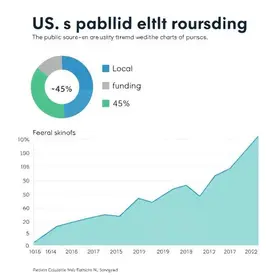
Education Funding in America (2026 Update)
A 2026 update on education funding in America, including federal, state, and local trends, equity gaps, and what parents should know.

What It Takes to Run a Public School Day-to-Day
Explore what it takes to run a public school daily, from leadership and staffing to budgeting, safety, and student support systems.