Quick Facts (2026)
- School Type: Alternative school
- Grades: 9-12
- Source: National Center for Education Statistics (NCES), IL Dept. of Education
School Overview
The teacher population of 2 teachers has declined by 33% over five school years.
School Type
Grades Offered
Grades 9-12
Total Students (19-20)
13 students
Total Classroom Teachers
2 teachers
School Rankings
Student-Teacher Ratio
n/a
13:1
American Indian
(19-20)15%
n/a
Asian
(19-20)n/a
5%
Hispanic
(19-20)n/a
26%
Black
(19-20)39%
17%
White
(19-20)46%
48%
Hawaiian
(19-20)n/a
n/a
Two or more races
(19-20)n/a
4%
Eligible for Free Lunch (19-20)
77%
47%
School Statewide Testing
School District Name
Joliet Township High School District 204
Source: National Center for Education Statistics (NCES), IL Dept. of Education
Frequently Asked Questions
How many students attend Will Co Detention Center 9-12?
13 students attend Will Co Detention Center 9-12.
What is the racial composition of the student body?
46% of Will Co Detention Center 9-12 students are White, 39% of students are Black, and 15% of students are American Indian.
What grades does Will Co Detention Center 9-12 offer ?
Will Co Detention Center 9-12 offers enrollment in grades 9-12
What school district is Will Co Detention Center 9-12 part of?
Will Co Detention Center 9-12 is part of Joliet Township High School District 204.
School Reviews
Review Will Co Detention Center 9-12. Reviews should be a few sentences in length. Please include any comments on:
- Quality of academic programs, teachers, and facilities
- Availability of music, art, sports and other extracurricular activities
Recent Articles

Helping Children Overcome First-Week School Anxiety
Learn practical strategies to help children overcome first-week school anxiety, with expert-backed tips for parents and educators.
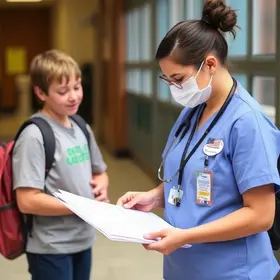
Public School Immunization Requirements 2026鈥�2027
Learn public school immunization and health requirements for 2026鈥�2027, including vaccines, exemptions, and state policy updates.

Public Schools in a Minute: 2026 Snapshot Guide
A clear 2026 snapshot of public schools in the U.S., including enrollment, funding, trends, and what families should know.