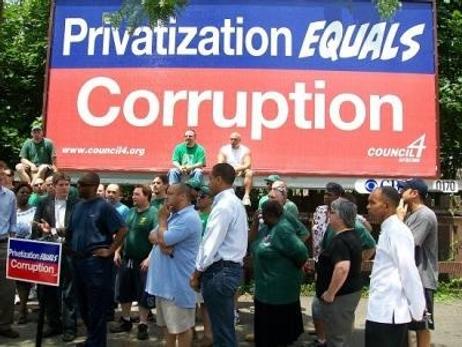
As educational leaders experiment with new programs to help turn around the current public school crisis, some experts predict that there will be a rising interest in privatizing many public schools. With public schools facing ongoing challenges such as funding disparities, enrollment changes, and accountability pressures, many parents and community members continue to debate whether alternative governance models will play a larger role in the future of public education.
Public Schools: On the Path to Privatization?
Public schools, unlike private institutions, are funded through community, state, and national tax revenues. Some communities, through the voting process, have chosen to pay higher taxes for increased educational funding, while other communities choose to pay less. Local funds combined with national funds and the success of a school's test scores ultimately also determine the size of a school's budget. While each school community has its own formula for the amount of money it receives, many public school districts continue to face financial pressures due to rising operational costs, enrollment shifts, and evolving funding priorities.
In the past several decades, however, some school leaders have grown increasingly frustrated with the many educational restrictions set by either state or local officials. To provide public school students with the opportunity to participate in a uniquely designed curriculum program, some areas have created publicly funded "magnet schools."
This TED Talk discusses the privatization of public schools.
For example,