
For the 2026 school year, there is 1 public preschool serving 371 students in 43938, OH.
The top-ranked public preschool in 43938, OH is Hills Elementary School. Overall testing rank is based on a school's combined math and reading proficiency test score ranking.
Public preschool in zipcode 43938 have an average math proficiency score of 87% (versus the Ohio public pre school average of 52%), and reading proficiency score of 72% (versus the 53% statewide average). Pre schools in 43938, OH have an average ranking of 9/10, which is in the top 20% of Ohio public pre schools.
Minority enrollment is 16% of the student body (majority Black), which is less than the Ohio public preschool average of 39% (majority Black).
Best 43938, OH Public Preschools (2026)
School
(Math and Reading Proficiency)
(Math and Reading Proficiency)
Location
Quick Facts
Rank: #11.
Hills Elementary School
(Math: 85-89% | Reading: 70-74%)
Rank:
Rank:
9/
Top 20%10
2281 Wilson Ave
Mingo Junction, OH 43938
(740) 283-2479
Mingo Junction, OH 43938
(740) 283-2479
Gr: PK-4 | 371 students Student-teacher ratio: 18:1 Minority enrollment: 16%
Frequently Asked Questions
What are the top-ranked public preschools in 43938, OH?
The top-ranked public preschools in 43938, OH include Hills Elementary School.
How many public preschools are located in 43938?
1 public preschools are located in 43938.
What is the racial composition of students in 43938?
43938 public preschools minority enrollment is 16% of the student body (majority Black), which is less than the Ohio public preschools average of 39% (majority Black).
Recent Articles
School Vouchers 2026: Updated Pros and Cons
Explore school vouchers in 2026, including updated pros, cons, policy changes, and what families should know before choosing.
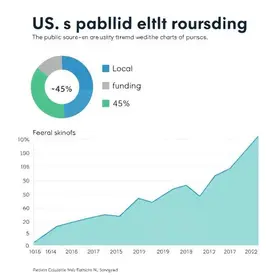
Education Funding in America (2026 Update)
A 2026 update on education funding in America, including federal, state, and local trends, equity gaps, and what parents should know.
What It Takes to Run a Public School Day-to-Day
Explore what it takes to run a public school daily, from leadership and staffing to budgeting, safety, and student support systems.